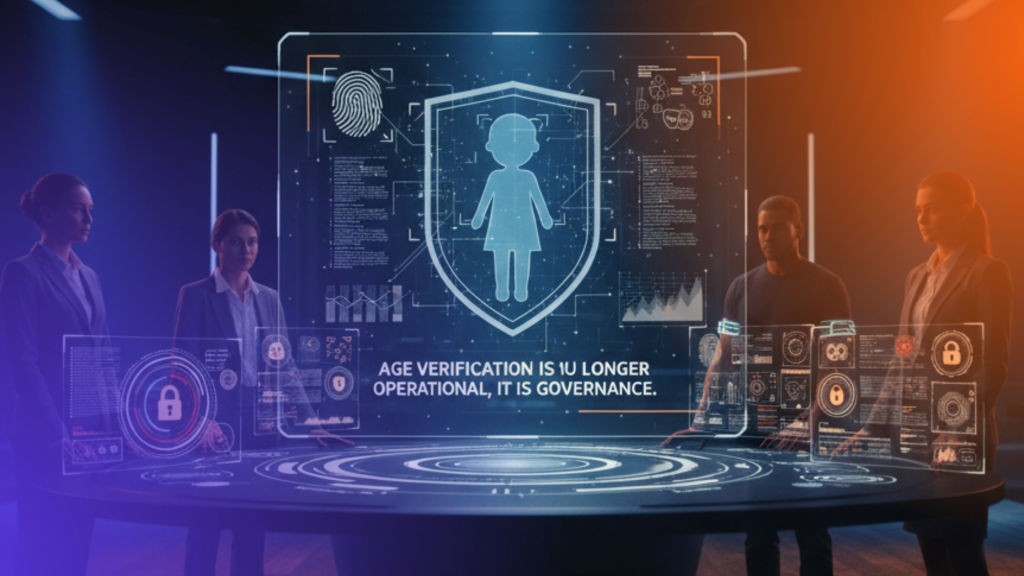
The corporate environment is going through one of the most challenging periods in recent years. More digital processes, more complex operations, new regulations and growing pressure for transparency and accountability are forcing companies to rethink how they deal with risk. In this context, two pillars that once moved in parallel have started to connect in a decisive way: Compliance and Civil Litigation.
Many business leaders have already noticed this change in practice. It is enough to observe the impact that operational decisions, relationships with third parties, internal policies and even organizational culture have on legal disputes. Lawsuits that seem to arise in isolation often reflect structural weaknesses: incomplete documentation, poorly defined workflows, inefficient communication between departments, lack of clear guidelines or processes that have not kept up with the company’s evolution. And it is precisely at this point that Compliance stops being a set of rules and becomes a governance infrastructure capable of reducing vulnerabilities before they reach the courts.
At the same time, Civil Litigation is no longer a department that merely reacts to problems. When observed in depth, each dispute brings important clues about where internal bottlenecks are, which practices create greater exposure, how contracts can be better structured and how the company can strengthen prevention. Litigation reveals patterns, and patterns reveal opportunities for improvement. Companies that are able to see litigation this way start using that information as strategic intelligence, turning conflicts into learning and learning into more mature decisions.
The convergence between these two worlds, prevention and response, is what truly separates companies that simply “put out fires” from those that evolve continuously. When Compliance feeds Litigation with clearer processes, consistent policies and an integrated culture, disputes tend to decrease in volume, complexity and impact. And when Litigation returns to Compliance with indicators, insights and risk patterns, governance becomes stronger and more aligned with operational reality.
At PDK, we see every day how this integration transforms the way companies relate to their risks. Legal maturity does not come from an isolated department, but from a coordinated view that connects governance, processes, risk analysis and decision-making. This is how organizations build resilience, reduce uncertainty and prepare for a constantly shifting market. Always with seriousness, discretion and full respect for ethical rules in the legal profession, and with the understanding that the legal function exists to offer clarity, responsibility and technical support.
If you would like to follow more analyses, reflections and content on corporate governance, compliance, litigation and legal trends, we regularly share materials on our official channels. Visit our website and explore other articles produced by the PDK team.
#FaçaJusAoFuturo