Institutional strengthening of Brazil’s data protection framework
Law No. 15.352 of 2026 has been enacted, transforming the Brazilian Data Protection Authority into the National Data Protection Agency, structured as an autonomous regulatory body linked to the Ministry of Justice and Public Security.
The reform consolidates the institutional maturity of Brazil’s data protection regime and creates 200 permanent regulatory specialist positions, to be filled through public examinations, in addition to establishing an internal audit body.
The full text of the law is available at:
https://in.gov.br/web/dou/-/lei-n-15.352-de-25-de-fevereiro-de-2026-688877400
What effectively changes for companies
The elevation of the authority to agency status significantly strengthens its enforcement capacity.
Organizations operating in Brazil should anticipate:
Enhanced technical scrutiny in regulatory proceedings.
More detailed rulemaking and sector-specific guidance.
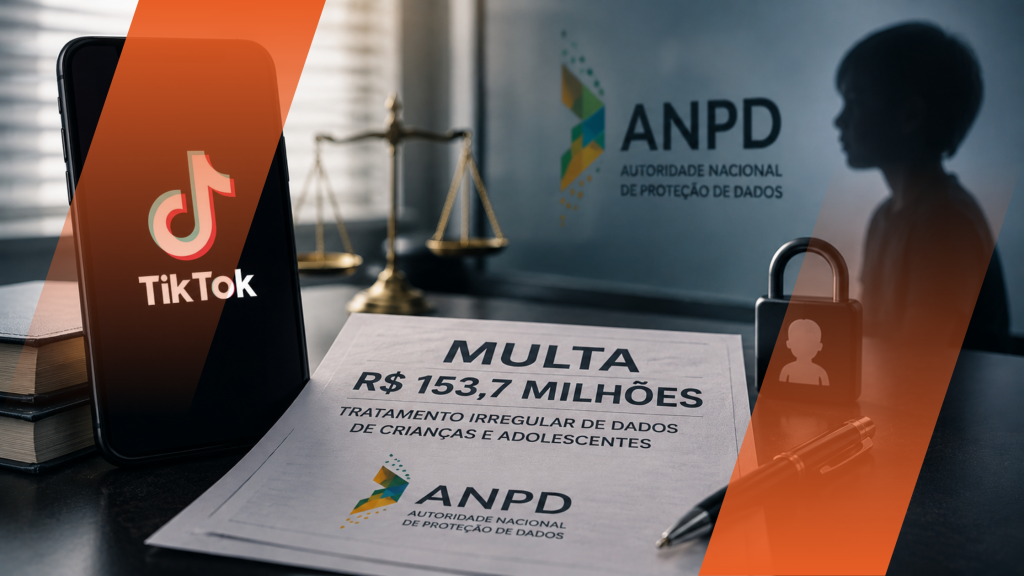
Stronger enforcement in areas such as Artificial Intelligence and children’s data protection.
Greater regulatory stability and consistency in administrative decisions.
Potential increase in supervisory actions and sanctions.
The reform confirms that data protection governance has become a structural pillar of Brazil’s regulatory environment.
Companies are encouraged to reassess internal governance programs, incident response protocols and contractual arrangements with data processors in light of this institutional strengthening.
PDK Advogados continuously monitors regulatory developments in Brazil’s data protection landscape, providing strategic analysis on compliance, digital governance and corporate risk management.